White Bear marks 150 years of Treaty
September 15, 2025, 9:21 am
Nicole Taylor, Local Journalism Initiative Reporter
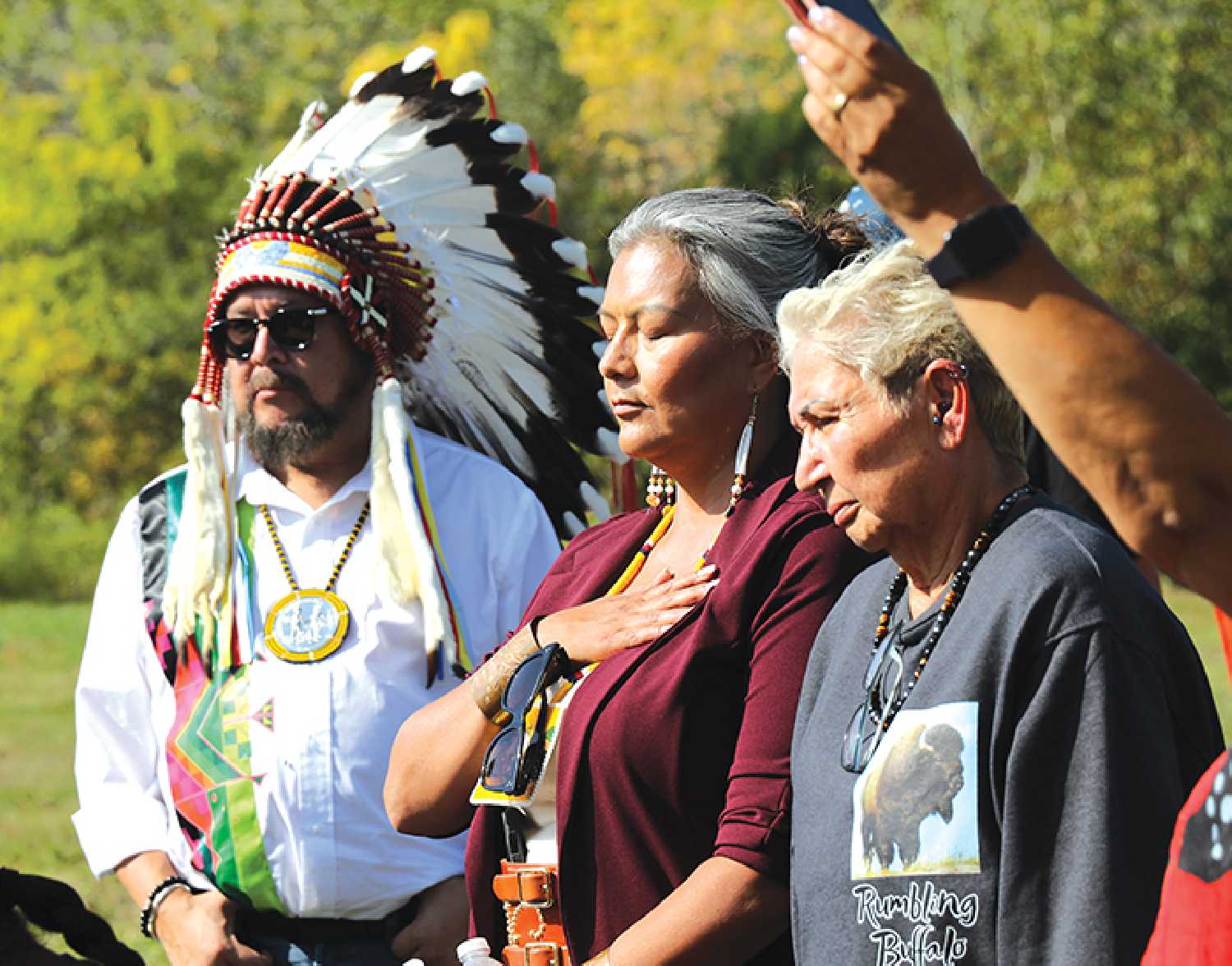

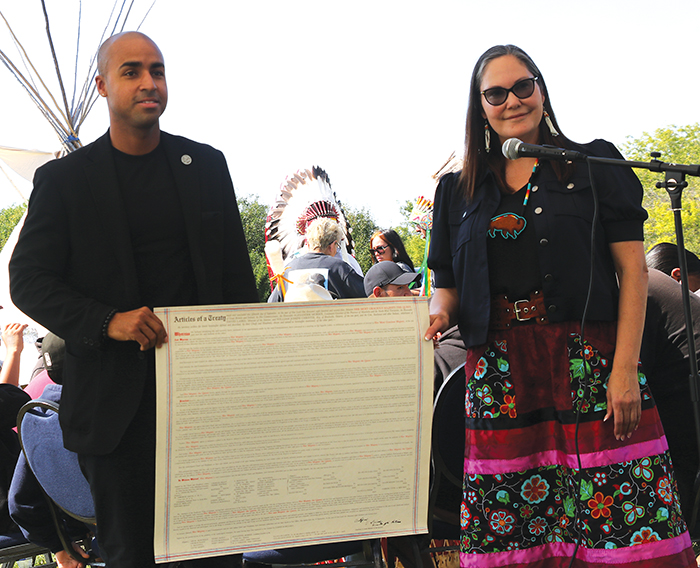
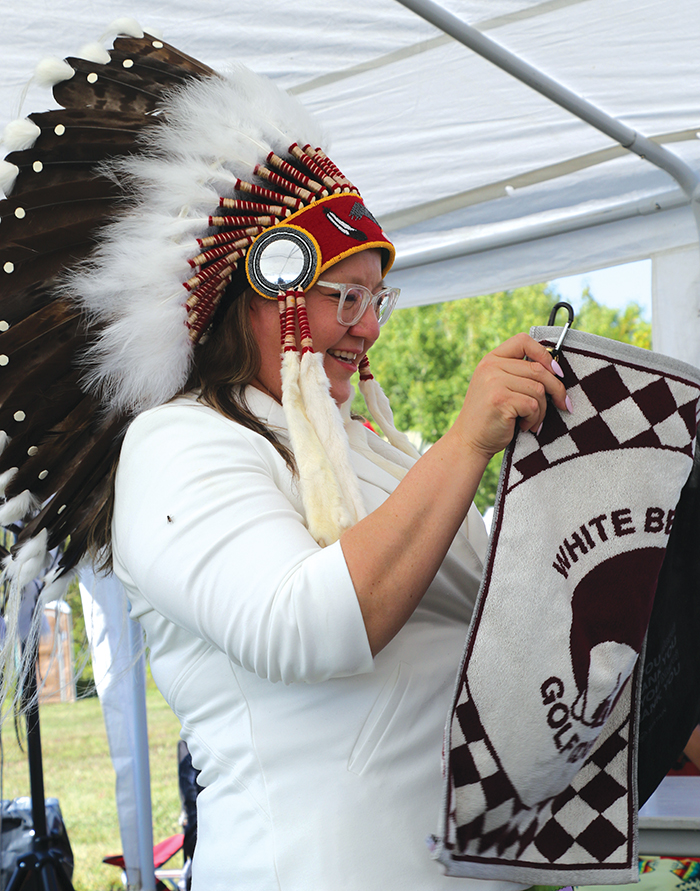
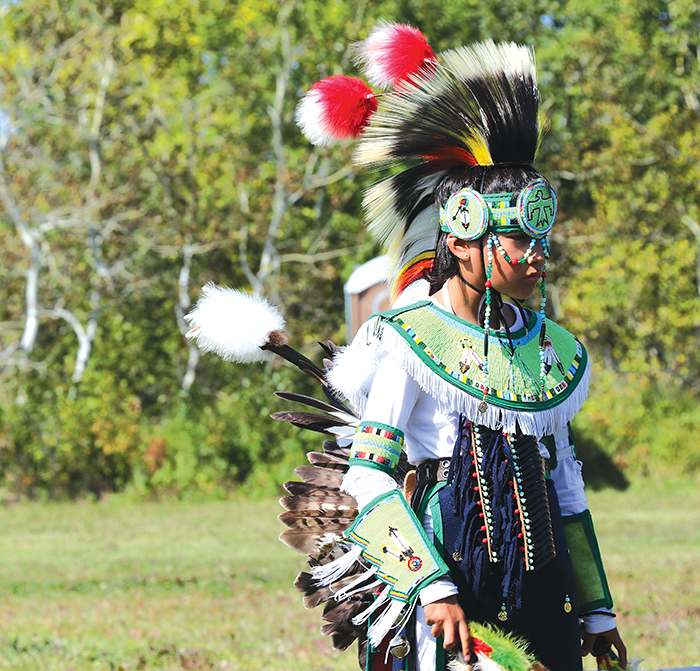
Hundreds of people from across the region and across the country, including National Chief Cindy Woodhouse Nepinak, Moosomin-Montmartre MLA Kevin Weedmark, Treaty Commissioner Dr. Kathy Walker, local mayors, former chiefs and many local elders were in White Bear First Nations Tuesday to mark 150 years from the time White Bear signed Treaty Four.
“The 150 years of Treaty means that we’re recognizing a nation to nation sacred agreement between White Bear and The Crown. It also signifies the resilience of the people who are looking for a remind. The population, the Treaty, it’s important,” said Chief Jonathon Pasap of White Bear First Nations.
Chief Pasap said he is proud of the resilience of the First Nations peoples over the last 150 years.
“There were times when the people had to use the pass system to leave the Nation. There was economic sanctions, there was the education, the residential schools. There was a lot of harm done to the people but the people persevered, the people were strong, the ancestors, the elders, they did not give up so that is the success of the Treaty,” said Chief Pasap.
He said the anniversary was both a celebration and an important event.
“The goal is to have fun, but also to honor our elders, honor our youth, honor our ceremonies, and plan for the future, for growth and wealth and health for our people.”
The celebration at White Bear First nations started with two pipe ceremonies, one for the men and one for the women. The pipe used for the men was the sacred Chief Wapimakwa’s 150 year old pipe.
“Our ceremonies start now with prayer which is really important,” said Chief Pasap, “Our sacred drum with the singing is to honor our ancestors and to have the connection. Of course we always have food following the ceremonies, which is our feast to feed the people and providing nourishment into their lives.
“We always remember our past so that we can build up our future leaders with the knowledge of their history, language and culture, so that way when they are the leaders, they have that strong foundation.”
He said reconciliation involved education.
“Reconciliation means we remember the past, present, and future. When we look at the past 150 years of Treaty, it’s important we share, explain, and educate our people,” said Chief Pasap, “The present is still celebrating the Treaty with the people and keeping the knowledge.
“The future is that we continue Treaty education to the next generations. They are the next leaders who remember to keep moving forward, that is reconciliation,” said Pasap.
He said White Bear First Nations extends a welcome to everyone.
“To First Nations and to all non-First nations, we invite people from our community, because they are Treaty as well,” said Pasap” When we sign Treaty to share the land, they receive the benefits of that Treaty. It’s important to encourage and remember that so we can continue to build relationships together.”
MLA speaks at anniversary event
“One hundred and fifty years ago, on this date in 1875, the leaders of the White Bear First Nation entered into Treaty Four in good faith,” Moosomin-Montmartre MLA Kevin Weedmark told the crowd.
“The leaders of White Bear entered into Treaty carrying with them not only the voices of their people, but a vision for generations yet to come. They were thinking about the wellbeing of their children, grandchildren, and all those who would follow. Their vision was for a future of peace, respect, and shared prosperity.
“Over the last 150 years, the people of White Bear have continued to show strength, resilience, and leadership.
“You have preserved your culture, your traditions, and your spirit. That is something that deserves not just recognition, but deep respect.
“To the Elders of White Bear, thank you for keeping the stories and the knowledge alive. To the leaders, thank you for your tireless work for your people. And to the young people of this community—you are the future, and you carry with you both the legacy of your ancestors and the opportunity to build something even greater for the generations to come.
“The signing of Treaty Four was not just a legal agreement, but a solemn promise: a promise of peace, of partnership, and of a shared future built on respect. The vision of those leaders continues to guide us today.
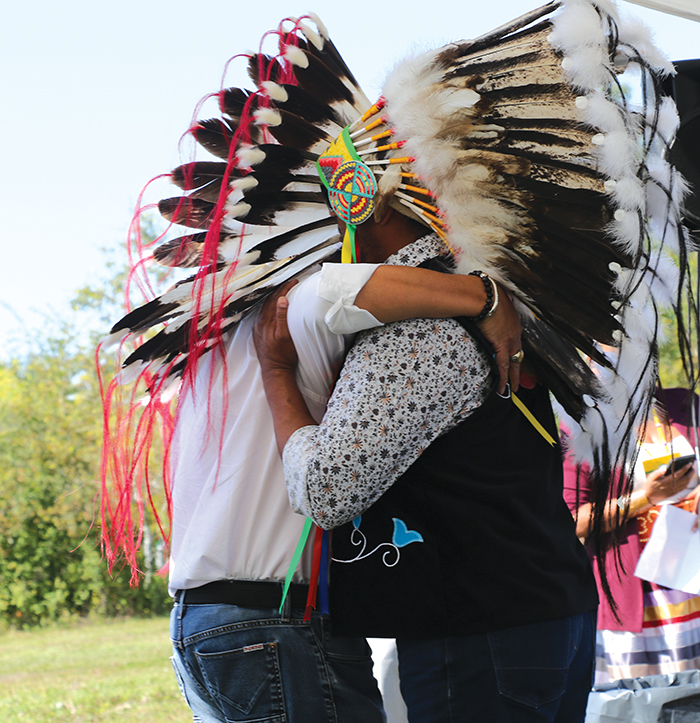
“Anniversaries like this remind us of our responsibilities. For those of us who are Treaty partners, it is our duty to uphold the commitments made 150 years ago.
“For all of us, it is an opportunity to walk together in reconciliation and respect, building the future that the Treaty signatories”
On behalf of the government of Saskatchewan, I want to express gratitude to the White Bear First Nation for opening your circle to all of us here today.
May this anniversary be not only a time of remembrance, but also a renewed commitment to walk forward together, in partnership, respect, and friendship.
“Congratulations to the people of White Bear First Nation on this milestone. May the next 150 years be guided by the same spirit of strength, vision, and unity.”
Tweet