Throne speech focuses on ‘strong, safe and secure’ Saskatchewan
October 27, 2025, 1:26 pm
Nicole Taylor, Local Journalism Initiative Reporter
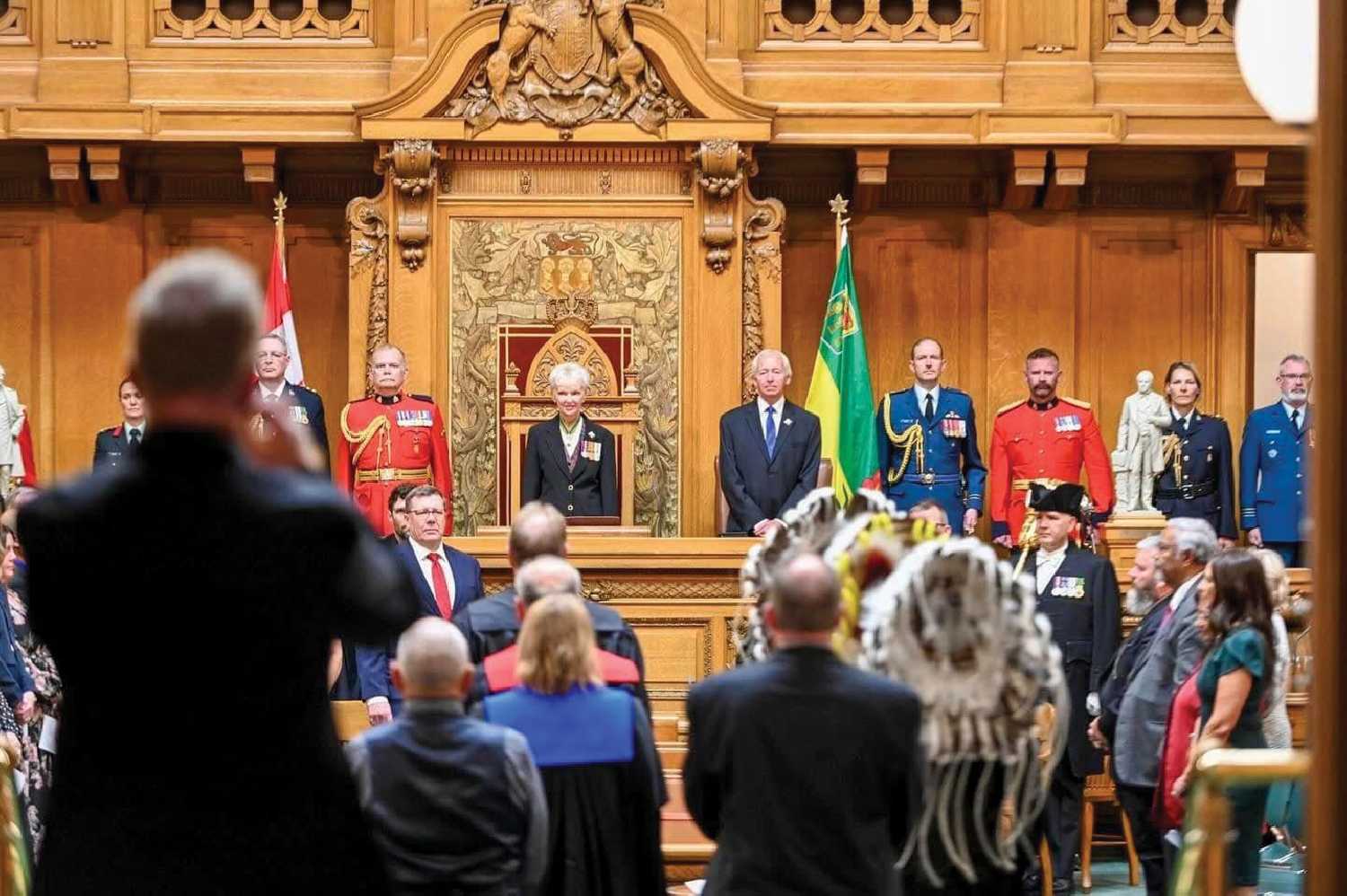

The provincial government of Saskatchewan opened its legislative session with an agenda targeting economic growth, community safety, affordability and infrastructure.
The Throne Speech acknowledged global economic pressures, including the shifting trade relationships and tariffs imposed by the United States and China, and Saskatchewan’s capacity to respond due to its natural resources, diversified export markets and growing labour force.
The government recognized that Saskatchewan currently leads Canada in several labour and investment indicators, including employment among women, youth and Indigenous people, as well as private capital investment, which grew 17.3 percent last year to $14.7 billion and is projected to reach $16.2 billion in 2025.
The Throne Speech discussed the resource base beyond oil, potash and uranium; such as aluminium, cobalt, copper, nickel, lithium, magnesium, natural graphite and rare earth elements. A ranking by the Fraser Institute placed Saskatchewan first in Canada, and seventh globally for mining investment attractiveness.
The government pointed to expanding international trade. Growing from under $20 billion in annual exports in 2007, to between $45 billion and $50 billion to more than 160 countries. To mitigate U.S. and Chinese tariff pressures, the province intends to grow export markets and introduce the Saskatchewan Internal Trade Promotion Act, designed to reduce interprovincial barriers to goods and services.
The government reaffirmed plans to work with the federal government via its ‘Strong Saskatchewan, Strong Canada’ plan, which calls for federal action on issues such as pipeline expansion, coal-plant extension, negotiating with China on agri-food tariffs, and transferring responsibility for heavy-emitter output-based pricing systems.
Compassionate Intervention
Moosomin-Montmartre MLA Kevin Weedmark said he was happy with several initiatives in the Throne Speech, but one particular initiative he feels will strongly resonate with some local residents.
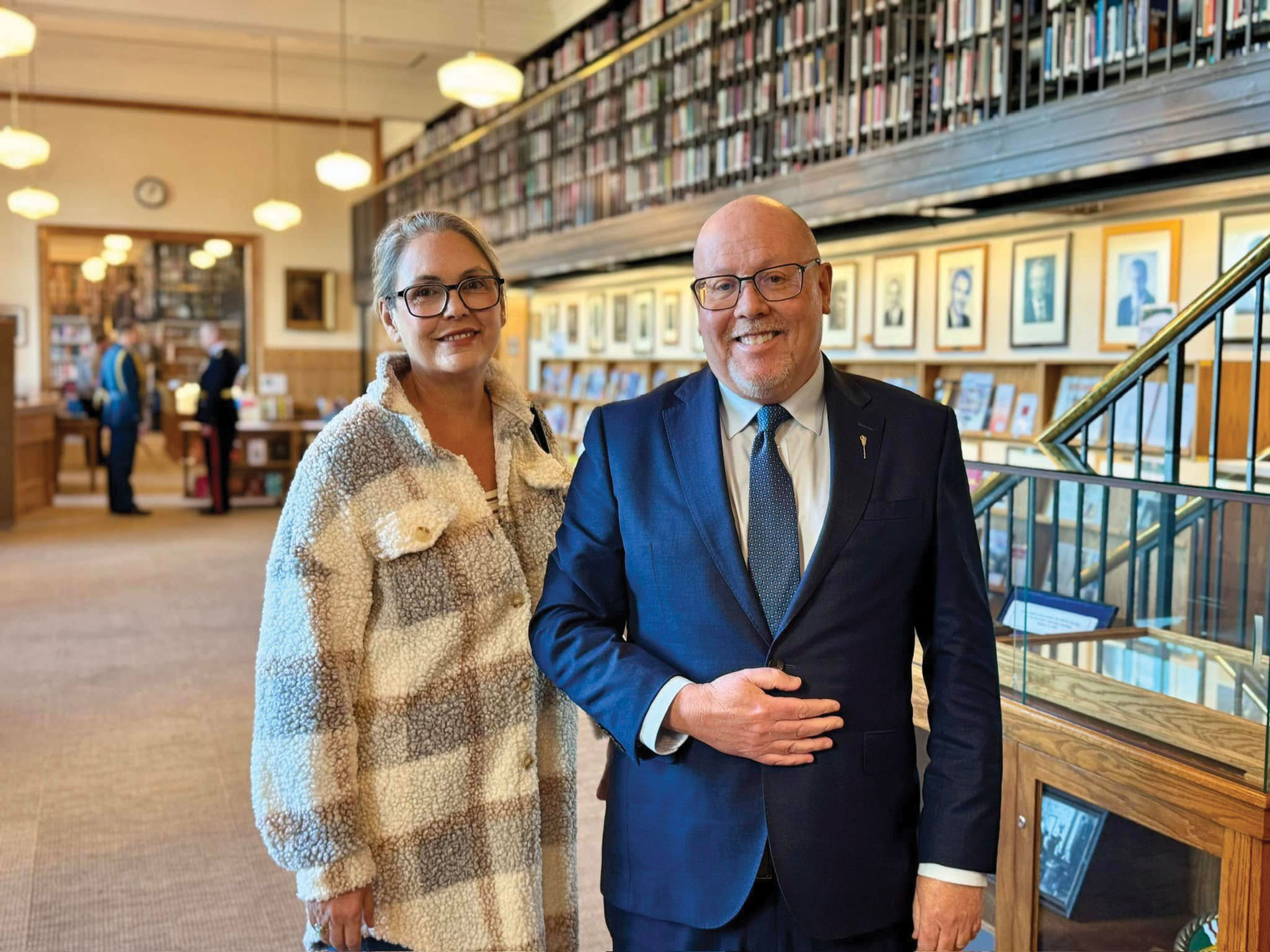
“There were a lot of new initiatives announced in the Throne Speech, and I was very happy,” said MLA Weedmark. “Quite a few people from Moosomin-Montmartre were able to join me for the Throne Speech. We had people from Indian Head, Wolseley, Grenfell, Moosomin, and Ochapowace First Nation.
“Three of the people who I had invited, I invited because I wanted them to hear our government’s commitment to the Compassionate Intervention Act, which is going to require individuals whose addiction are posing a threat to themselves and others to get the care they need.
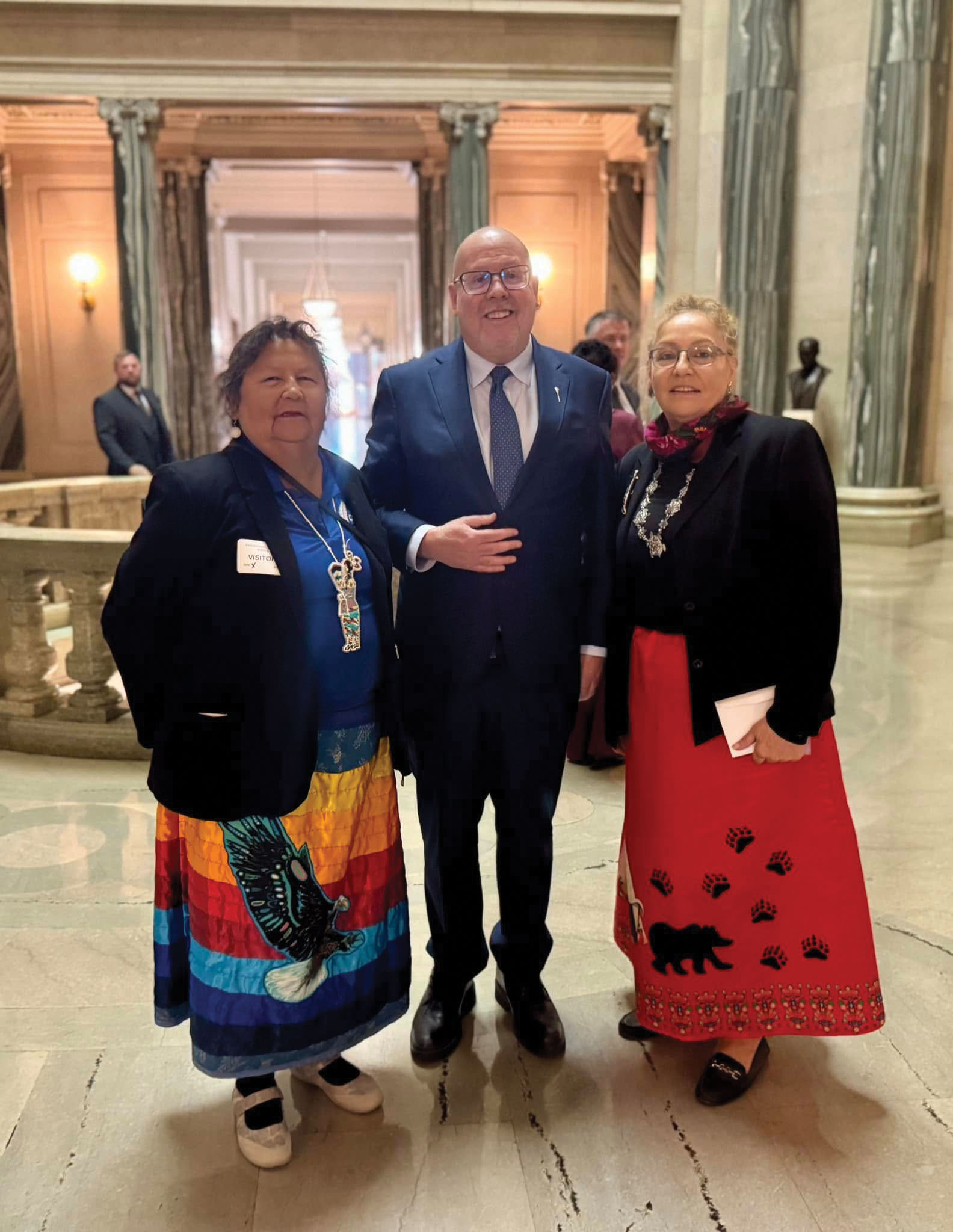
“I specifically had headwoman Audrey Isaac from Ochapowace First Nation, Chief Shelley Bear from Ochapowace First Nation, and Bonnie McTavish from Moosomin, to hear about that particular piece of Legislation. In Chief Bear’s case, she says they have buried too many people on Ochapowace First Nation because of drug addiction. She believes that this new legislation is going to make a difference—She believes it’s literally going to save lives.
“Bonnie McTavish advocated for compassionate intervention because she has seen the ravages that drug addiction can cause, and I wanted her to be there to see our government’s commitment to put a plan in place to help people who are battling addiction and don’t have the wherewithall to understand that treatment is what they need. In those extremely rare cases, where they are posing a threat to themselves and others, and can’t make the decision for themselves, they can be required to undergo treatment.
“At this point, we have announced our intention to bring the legislative forward, but the details will be out in the legislation once it’s introduced. But the main point is creating a process for people to get the treatment in those rare cases where they can’t make that decision for themselves,” said Weedmark.
Why will the legislation be introduced?
“This is because people have been asking for it,” Weedmark says. “People like parents who are worried for the lives of their children because of addiction.
People like community leaders who have seen the impact of drugs on their communities. People like Chief Bear have spoken to me and said “ look, this is having an impact on our community”, the drug problem has become an epidemic, it has become a pandemic. It’s became a problem for families, for communities, and we have come up with a way to help families and communities, and help people who can’t help themselves. To help those people get treatment, get clean and restore their life to what it could be.
“This new legislation is for those very rare cases where people simply are posing a danger to themselves or the community and just can’t make a decision for themselves. Then the decision will be made for them.”
Community Safety
The Throne Speech acknowledged community safety as a top priority, stating that the majority of serious crime in the province stems from illegal-drug trafficking and drug use. Plans to prevent this include hiring 100 additional municipal police officers, 14 new Safer Communities and Neighbourhood (SCAN) personnel, 70 additional officers within the Saskatchewan Marshals Service, and funding for 180 new positions within the RCMP.
Legislative measures announced during the speech include the Response to Illicit Drugs (RID) Act, targeting traffickers and criminal suppliers. The Compassionate Intervention Act, which allows for compulsory treatment of individuals whose addiction poses a threat to themselves or others. The Cyberstalking and Coercive Control Act . which will broaden the definition of interpersonal violence to include online stalking and harassment.
Addressing the homelessness epidemic, the government reported it will be adding 141 emergency-shelter spaces, 30 complex-needs beds, and 155 supportive-housing units. The government has also pledged an expanded Provincial Approach to Homelessness with greater outreach and housing supply.
The government noted progress in health care recruitment with 346 additional doctors and 2,083 more nurses over recent years. It pledged to perform 450,000 surgeries over the next four years and expand urgent-care centres to relieve pressure on emergency rooms.
Investments in education
The government announced investments in early-grade reading (Kindergarten to Grade 3), and highlighted initiatives like hiring more than 500 new teachers, increase expansion of classroom supports, and introduce the Building Schools Faster Act, which will require municipalities to service land for school construction.
Since 2008, 115 schools have been built or renovated. This year 16 new schools and three major renovations are underway.
The province reported improving more than 1,000 km of provincial highways this year, and significant investment in northern highways and airports.
The province also reported that over 90 percent of procurement contracts over the past five years went to Saskatchewan companies.
Wildfire response
During the Throne Speech, the government addressed multiple wildfires that impacted northern communities. Committing $15 million in support for evacuees via the Canadian Red Cross in co-operation with the Saskatchewan Public Safety Agency, $10 million for temporary housing and $20 million for community cleanup operations. Firefighters and aerial crews were commended, and a Premier’s Commendation Award will recognize volunteers and municipal fire departments that were active in the 2025 wildfire season.
Ag Support
The government acknowledged dry conditions and volatility in agriculture markets. Through federal partnership, it increased compensation rates under AgriStability and raised caps under the Crown Grazing Lease Reduction Program.
The province also enacted stricter farmland-ownership rules via amendments to the Saskatchewan Farm Security Act and will amend the Animal Protection Act to create animal welfare inspector roles and establish a code of conduct for inspectors.
Recognizing Saskatchewan’s diversity, the government said it will introduce the “From Many Peoples, Strength” Act to allow permanent recognition of special days, weeks and months designated by cultural groups. On recreation, the government said it will introduce the Tailgating Act to enable regulated tailgating events at Saskatchewan Roughriders games at Mosaic Stadium, with a special permit under the Saskatchewan Liquor and Gaming Authority in time for the 2026 season.
Tweet