Mosaic invests $35M for spring turnaround work at Esterhazy sites
September 2, 2025, 9:26 am
Ryan Kiedrowski, Local Journalism Initiative Reporter
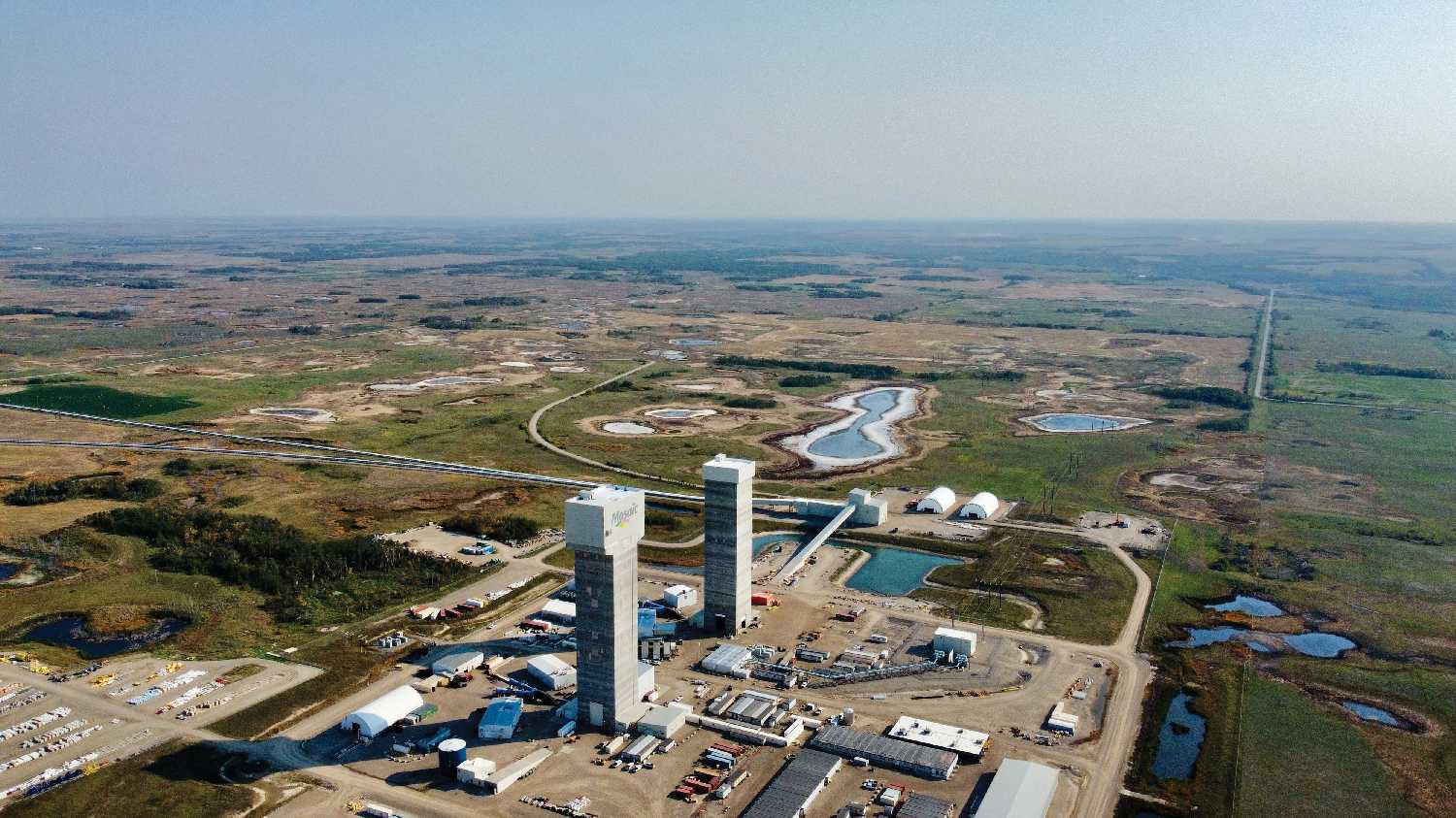

It was a busy spring for Mosaic at their potash mine sites in the Esterhazy area, and even more impressive is the fact that through 72,000-plus hours worked, no lost time injuries were reported.
“We had a K2 turnaround from May 18 to June 7, we also had a K1 turn around from June 1 to June 22,” said Bernie Boutin, Mosaic’s Director of Capital at Esterhazy K3. “And K3 had a partial turnaround over that period of time as well, between May 18 and June 22.”
There were more than 400 contractors on site at all three locations, which Boutin noted is quite beneficial to the local economy.
“It was a very busy time, and we had day shift, night shift for all sites doing the turnaround work,” he said. “It’s a good number for our community, it keeps things busy in town. Our communities do a good job supporting these extra people that come to work in our area.”
Whenever possible, local expertise is used for the annual turnaround projects, which is when critical maintenance and repairs take place.
“Generally, it’s the local contractors that are always available for the mines, and then we get the larger, more remote contractors from the cities as well,” Boutin explained. “Some jobs you right size it because for smaller jobs, generally the local contractors are interested in those, but we do have some of our larger contractors that like tackling the large construction project type jobs, which entails millwrights, welders, iron workers, pipe fitters, electricians. We had a variety of those types of jobs—smaller scale ones and some large scale ones.”
While not as high-volume as previous years in terms of the number of contractors involved, this year’s turnaround did note a healthy monetary investment in local Mosaic assets.
“Over $35 million invested in material, supplies and services—it’s a big number,” Boutin said. “That relates to 400-plus workers and over 72,000 person hours of work, so it’s good for the community. That means we’re supporting companies as well as they’re assisting with us on executing the turnaround projects.”
With the shift to an earlier turnaround in Esterhazy, idle and turnaround expenses for Mosaic rose $16 million, but is anticipated to decline in the third quarter.
As for the turnaround being free from work injuries, Boutin listed a few factors that make a big difference.
“The key there is the safe onboarding of contractors, the pre-job planning,” he said. “That’s what helps us be successful with not having injuries. Our presence in the field, in the regular contractor meetings, making sure they have good safe work procedures, and they’re following that. Lots has to happen for good safety results, and that’s our focus.”
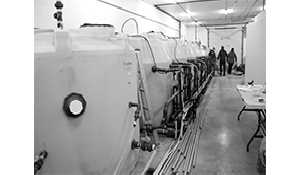
One big project of note was the commissioning of the Hydrofloat project at the K2 mill. Adding the new hydrofloat circuit was delayed due to supply chain issues back when the Covid pandemic hit, but the completion target of mid-2025 proved to be a bullseye.
“We’re still doing wet commissioning of that circuit, so it’s kind of like a partial ramp up as we do wet conditioning,” Boutin explained. “So it’s not up to full rates, but it is in the throes of wet commissioning, and that will allow us to make another 400,000 tons of production at the K2 mill.”
Producing low-cost tonnes through this project allows Mosaic to optimize the Canadian Resource Tax, and based on last year’s number, there is an approximate $60 per tonne benefit to the increased production at Esterhazy.
The new Hydrofloat project was officially commissioned in July with hopes that the volume expansion will drive production costs per tonne lower in the future—the only asterisk to that being any big changes in foreign exchange rates.
Speaking of changes made by other countries, the U.S. tariffs are having little effect on Mosaic’s operations locally.
“We’ve been watching it, we haven’t seen a huge impact just yet,” Boutin said when asked about the 50 per cent tariff on Canadian steel. “But when you go out for bids, obviously our local suppliers will try and bid local materials because it also puts them at an uncompetitive advantage if they’re bringing out of country materials. So when they go out for bids, they’re obviously going to look at best pricing, and when you go to different vendors, you’re going to see that through the quotation process.”
In their second quarter report released in early August, Mosaic noted $411 million net income for Q2, with $194 million in potash operating earnings alone.