Service clubs and communities work best when working together
February 2, 2026, 10:33 am
Stephanie Zoer
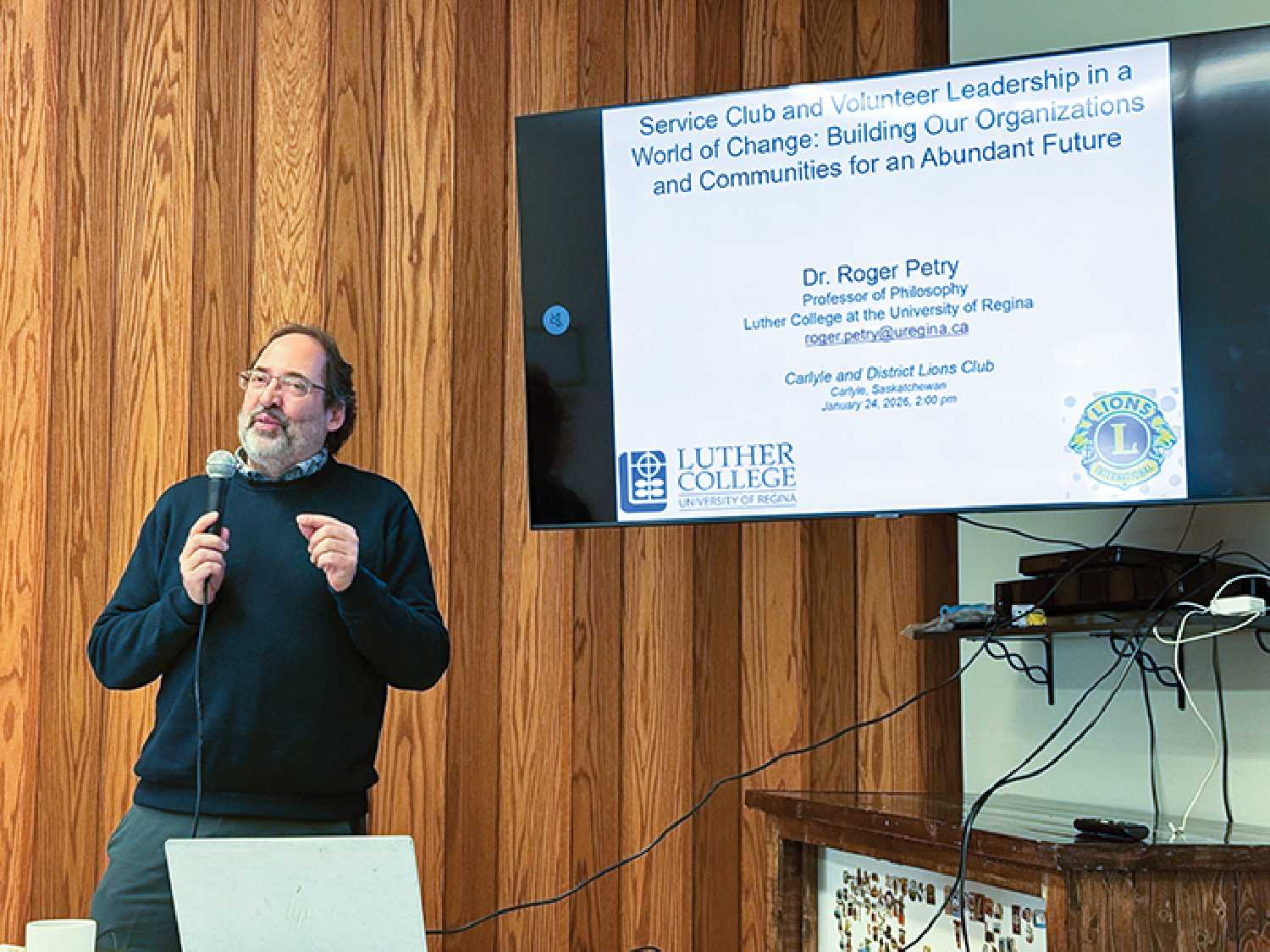

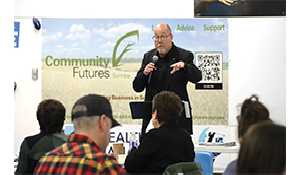
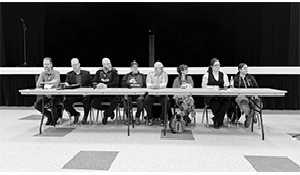
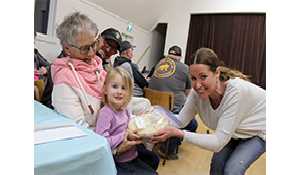
Dr. Roger Petry came to the Carlyle Happy Gang building in Carlyle on January 24 to speak to service clubs on how to encourage people to join. The event was put on by the Carlyle District Lions Club, who served refreshments before the guest speaker began.
Tim Sedor, president of the Lion’s Club, welcomed the crowd of around 50 people and thanked them for taking time out of their day to join them to hear what Petry had to present. There were many service club leaders in attendance who could ask questions at the end.
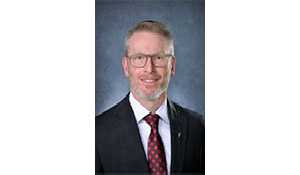
Petry is a Professor of Philosophy for Luther College at the University of Regina. He said that service clubs began many years ago with the Knights Templar and the Freemasons. It has now grown into many different clubs around the world.
Petry himself began as a Boy Scout, a club that offered camping, nature, and a place to learn and something to which he was attracted. As he got older, he saw a sign outside of Regina that hosted all the service clubs, and this brought him to the Freemasons.
When people are in clubs, they need to respect other people’s options, even if it is not the same. And how do people help others that have struggles? Petry said in organizations we need to learn to sit and listen.
Service clubs are a great learning tool. It teaches people how to set up and run a meeting. Petry said it teaches people to become leaders, be good listeners and to learn public speaking. It is not only about the volunteering.
Everyone joins a club for different reasons, and volunteer at their own speed. He said not everyone can come out to all the events to help, and when there is a lot of small events, it takes the same amount of volunteers, if not more.
He suggested that clubs do three large events in a year, and that all service groups pitch in to help. This cuts back the time spent on volunteers and also makes for a bigger and better event.
Cost is also a factor with organizations, and he suggested that if one group has equipment, why not allow other groups to use it as well and share the cost. This included using the same building for meetings. He went on to say that knowledge is needed to be shared amongst each other as well.
Service clubs and organizations all have the same goals in mind, and that is to help improve the community that we live in. Communities, schools, and clubs should be working together.
A few questions that came up after the speaker was finished were, how do we get kids to be interested in joining a service club? Petry said that going to the schools and speaking to the kids is a great tool to get them interested, especially when they have an idea of how it could help them in the future.
Petry said that volunteering begins at home. When kids see parents and grandparents taking time to help at an event or in the community, this will be instilled into the children. He said service clubs are a need in communities, and we need to keep them alive.
He used the three sisters as an example. Beans, corn, and squash are all different, but they need each other. Beans create nitrogen in the ground. The corn gives the beans a place to climb, while the squash covers the ground and kills the weeds. This is how service clubs and communities are. They are all different but need to rely on each other for support and help to make each one successful.
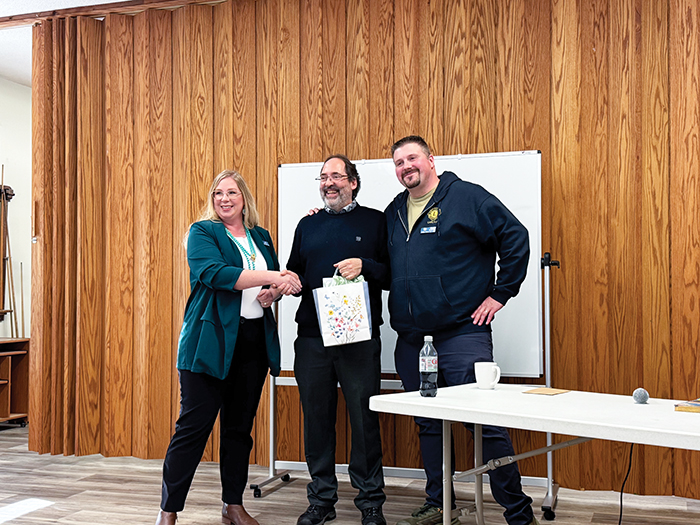
Jennifer Sedor, Mayor of Carlyle, and Tim Sedor, president of the Carlyle District Lions club, presented Dr. Petry with a gift. They thanked him for taking time out of his busy schedule to come to Carlyle.
Tweet